Entertainment provides a catharsis when we recognize our struggles are like the plot points in a movie. Based on the personal experience of Judith Parker Harris, an entertainment industry veteran, Secrets of the Seven Villains takes a cinematic approach to analyzing the “voices in our head” by creating a Villain persona, graphic image, and story for each negative thought based on archetypal movie villains.
Villain voices are the thoughts, emotions, and painful moments in your life that you have not dealt with completely. They hang out in your body waiting for a crisis or challenge to pull you down. Villains meet us at the crisis or challenge points in our lives, both personal and business.
In the movies we call it an “inciting incident” that motivates an ordinary person to become heroic – it’s the moment when everything changes in your life, when colors get fuzzy, your voice sounds muffled and your movements are in slow motion. The inciting incident for Parker Harris was the moment she heard her doctor say, “You have Multiple Sclerosis.” While the doctor was explaining her disease, she was overwhelmed by the voices of the Seven Villains.
It’s time to meet, confront and conquer your Villain (or Villains, as the case may be). If you know the secrets of the Seven Villains, you can take them down instead and keep them out of your life forever.
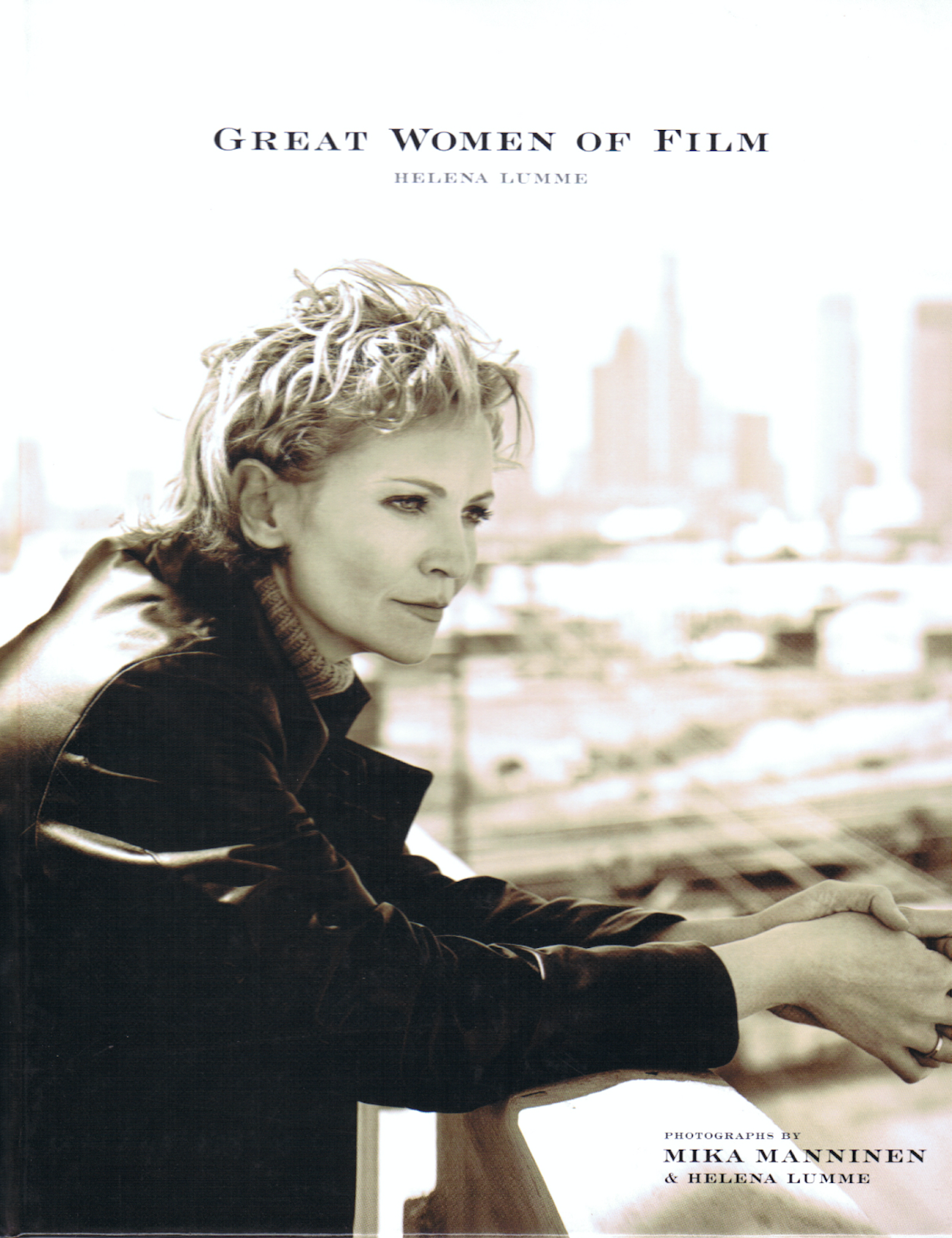
Makeover Media spent two years working on Great Women of Film. This anthology, as told through the female lens, draws us into the timeline of how a film is made, by the individual experts whose talent, skills, and vision make the magic happen. The book is a series of deftly constructed interviews, accompanied by beautiful photographs. These top women in entertainment, many of whom are Academy Award nominees, including actors Joan Allen and Jody Foster, and costume designer Ruth Carter, who share their experiences and explain what they do.
We generated close to $200K in in-kind sponsorships, including a Lexus vehicle, film processing, locations, and free costume rentals. We also secured the book deal with Billboard. We garnered top media placements including Hollywood Reporter, Variety, LA Times, and a profile in Hasselblad Forum.
The book is a hybrid text on film studies, women’s studies, and careers in film, as well as a beautiful coffee table book. Beginning with a placement in Publishers Weekly, the Hollywood Reporter of the book trade, we worked on book signings that included Oscar® nominee Joan Allen and then-Sundance Channel President Larry Aidem, in conjunction with the Sundance Channel’s month long celebration of female filmmakers, “She Said Cinema,” at Borders Bookstore in New York City.
This two year project included a short “making of” documentary film, as well as an exhibition of the images taken to accompany the interviews, which were hung at the Academy of Motion Picture Arts and Sciences for an opening reception during Oscar week. Another result of this campaign was the opportunity to relaunch the authors’ previous project: Screenwriters: America’s Storytellers in Portrait, a stylish coffee table book. that reveals the hidden talent of the screenwriter behind Hollywood’s most famous films.
As the news cycle surrounding cryptocurrencies continues to baffle us, announcements about new NFTs keep popping up. In the last week I’ve received several emails with cool ways NFTs are being incorporated into our daily lives.
Steve Aoki, 2x Grammy-nominated music producer, artist, designer, and NFT visionary, brings us his A0K1VERSE (@A0K1VERSE), a new ecosystem, bridging the metaverse with the real world. A0K1VERSE is the most ambitious project to date connecting web 2.0, web3, and IRL experiences. Built on the Passport, the A0K1VERSE is an NFT-gated membership community offering Passport holders exclusive access to both physical and digital experiences from Steve Aoki including opportunities and rewards from his high-wattage network of NFT collaborators and brand partners.
Aoki knows the power of NFTs to build vibrant community.
As a long-time collector and “an unabashed futurist” (Fortune), Aoki has been at the forefront with his NFT collaborations, generating over $4 million with the launch of his first NFT, the Dream Catcher series. He also co-created the first blockchain-based episodic series with Dominion X (@DominionX_NFT), partnered with Sotheby’s on their Contemporary Curated series, and recently partnered with comic book legend Todd McFarlane to create OddKey, an NFT marketplace on the Solana blockchain for comic artists to freely showcase and sell their original digital artwork.
“Since I started my first company Dim Mak back in 1996 I have cared for, grown, and embraced the concept of community. Now as we look at the future of what our community wants, I believe that the utility needs to be diverse, engaging, and evolving with culture. This is where IRL meets meta – not just in my world but the many worlds I am a part of. Members will not only get access to my own projects but a wealth of friends & family NFT projects and real-world experiences.”
As we Zoomed through 2021, the Metaverse continued to expand. NFT’s became mainstream conversation, even though most of us could barely grasp the concept and Mark Zuckerberg grabbed a hot commodity with the new name for Facebook: Meta.
To give you something fresh to impress, should you ever see anyone in person again, here’s a hot list of tech terms from Reuters for you to grapple with, roll around on your tongue and immediately forget what they mean!
Music Tech Firm Launches Eco-Friendly Platform Designed to Simplify the NFT Experience for Music Themed Collectibles
Some of the controversy over NFTs comes from the energy sucking “Proof of Work” formula required to get on the blockchain. A music tech company, Serenade, is changing the game by utilizing a “Proof of Stake” method. This lowers the Gas fees incurred in the minting process.
Serenade is breaking new ground with the launch of an artist/fan-centric music platform, which aims to break down the barriers to entry surrounding Non-Fungible Tokens (NFTs) and make them easily accessible and affordable for artists and their fans. Launched by Australian tech entrepreneur Max Shand, the eco-friendly music-based platform produces 1/44,000th of the carbon emitted by a standard NFT (or 1/10th of the energy usage of a Tweet) through an energy-efficient NFT authentication method called ‘Proof of Stake,’ a counterpoint to the standard Ethereum ‘Proof of Work’ method.
Purchases are made using a Debit/Credit card via Serenade’s check-out facility, designed to function as a standard eCommerce site, with the platform handling the creation of a digital wallet and transfer of traditional payments into cryptocurrency. Serenade launched in August 2021 with music-related digital collectibles that included unreleased tracks, limited edition artwork, and VIP ticketing and experiences.
“We made sure to work with a company caring about the environment. Our NFTs are 1/10 of the carbon footprint of a tweet.” Josh Lloyd-Watson and Tom McFarland, founders of the band, Jungle.
Serenade’s Environmental Credentials Explained.
Serenade NFT emits just 1/10th of the carbon of a tweet, which comes to 1/44,000th of the footprint of a normal NFT. They do this through an energy-efficient NFT authentication method called ‘Proof of Stake,’ a counterpoint to the standard Ethereum ‘Proof of Work’ method. This marked improvement is a result of the Serenade platform being built on top of a layer 2 blockchain called Matic. Matic has a trusted relationship with Ethereum, which means it doesn’t have to go through the exhaustive process of proving every single NFT transaction to the blockchain, but rather achieves this via collective proofs. Not only does this lead to far better ecological outcomes, but it lowers the cost of creating NFTs so artists can be free to produce more work for their fanbases without bearing any gas fees.
Since the birth of NFTs (non-fungible tokens) around 2017, with the emergence of Cryptopunks as the first NFT on Ethereum, the digital token world has never been the same.
Some people are skeptics. I recently read someone said “we don’t need another format to sell a jpg.” It made me think about how we create, share and sell stuff in general.
Maybe the Millennials or Gen Z want something new. During a conversation about cryptocurrency trends with a twenty something tech minded guy, we were identifying where Cryptocurrency is in the zeitgeist. We decided that digital currency in general has moved out of the underground garage or basement, into the lobby, but is still in its nasence.
NFTs, however, have exploded into the realm of everyday conversation. Why?Probably because of the visual experience. Digital currency is invisible, difficult to grasp, and still volatile. NFTs are something to behold. They provide an experience, evoke emotions, and perhaps a desire to own…the art. They are shoppable.
If we contemplate the evolution of things in general…knobs turning to buttons, evolving to flat touch screens…my iPhone doesn’t have a home button anymore… we use face recognition more and more, NFTs seem…almost common.
And so today’s headlines feature Fortune magazine’s new rankings of the commodity: NFTs are NFTY
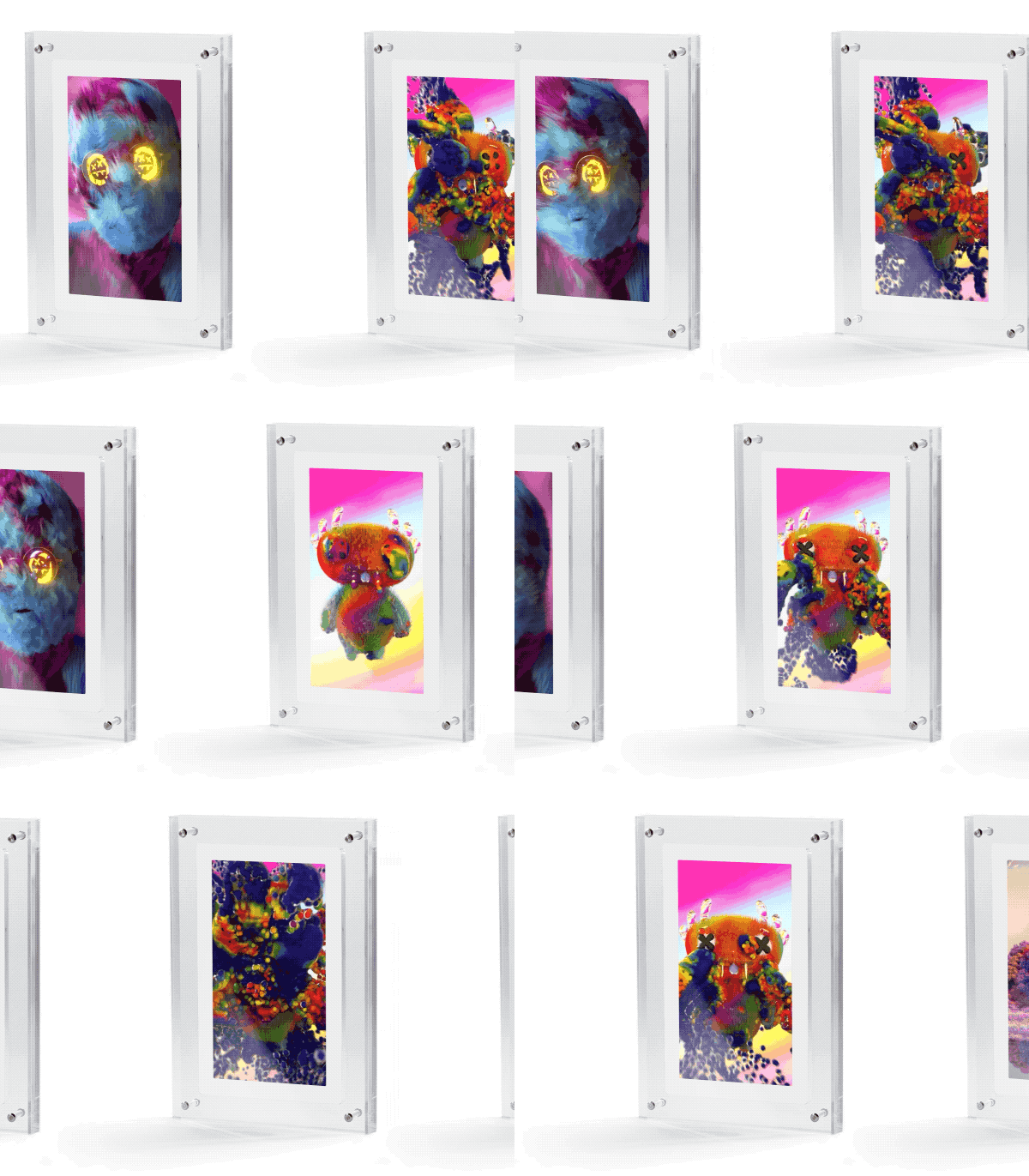
NFT artwork by music producer Steve Aoki and digital artist Antoni Tudisco, displayed on a screen made by Infinite Objects. Source: wsj.com
By now you’ve probably heard about non-fungible tokens (NFTs). They’re having a moment in the news cycle. Everyone from investors, art collectors, to artists and athletes are spinning with the possibilities in this exciting new era where blockchain and Ethereum are dominating the trend in cryptocurrency and decentralized applications.
In the early nineties, we acquired the jargon of the internet, words associated with working on a computer. Bit, byte, hard drive, ram…all macho sounding terms. File names like JPG, GIF, PDF, and MP4 became part of our lexicon. Now we’re learning new lingo and moving into the virtual realm at full speed. And like previous milestones of the digital age – reaching critical mass with the fat pipe, as high speed access was dubbed by insiders, paving the way for streaming via the information highway and the birth of YouTube, this is the year NFTs are establishing themselves into the mainstream.
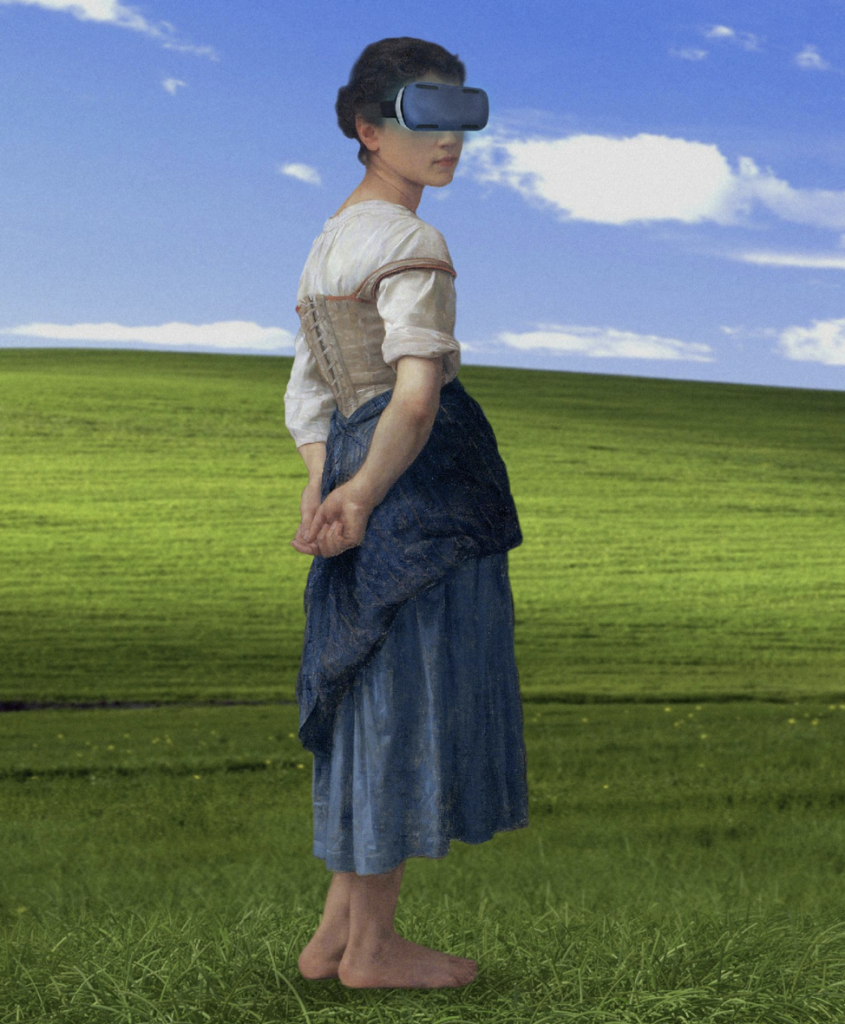
The majority of NFTs represent something from real life. Just about anything collectible can be tokenized, for example a work of art, a video clip of a winning move in a game of basketball, or an audio file. It makes sense that with the increasing use of AI and VR and mass adoption of online gaming worlds, we would arrive at the intersection where our reality melds with our virtual world seamlessly.
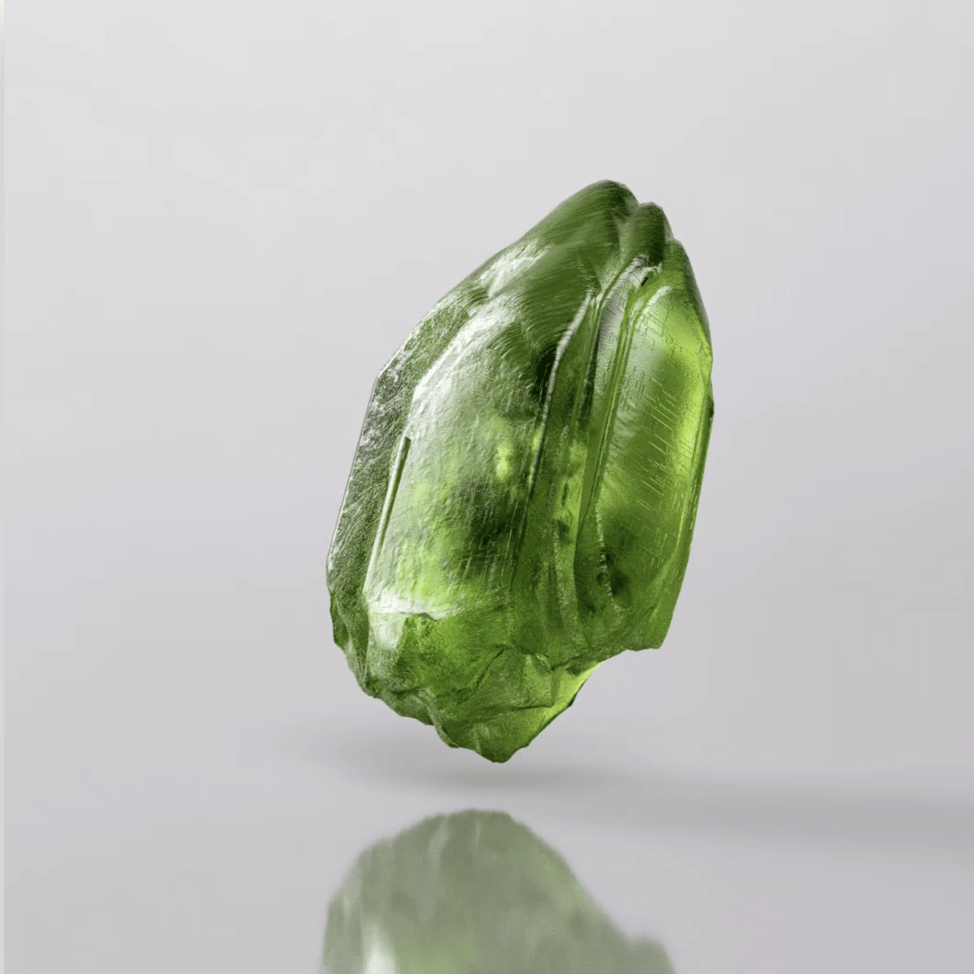
Unlimited Possibilities by Buddyart00. Last sold for USD 3,707. Source: async.art
You’ve already found favorite screensavers and wallpaper for your devices and created backgrounds for your Zoom calls. Why not actually own the art?
Do you regret not buying Amazon, Netflix, Apple, eBay or Bitcoin? Wish you’d stumbled across Warhol when his Beverly Hills gallery owner couldn’t give his work away?
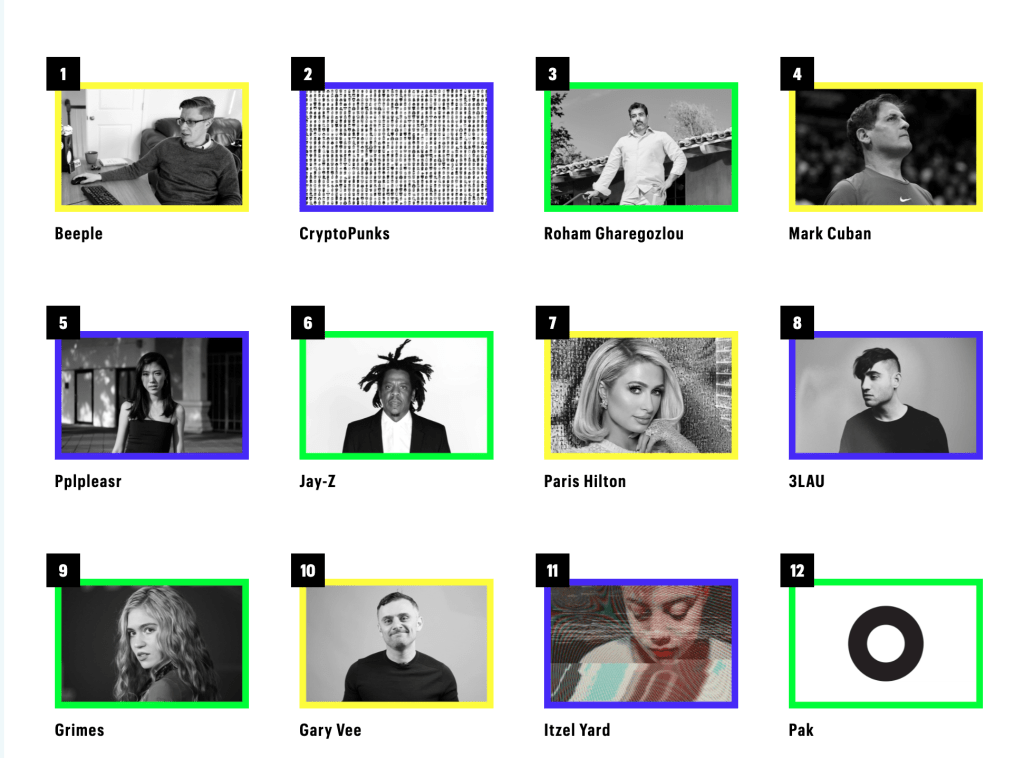
While hype has inflated the price of several early adopter’s work (An, until recently, unknown digital artist from Wisconsin who goes by the name of Beeple, set off an auction frenzy and tipped the scales at the most expensive NFT ever sold, at over $69 million.), even with the onslaught of the token bandwagon, there’s a lot of affordable NFTs to choose from.
NFTs are still in their infancy. Whatever you love to collect, find an artist you like and buy something. The arts are a way for us to understand the world around us.
While an NFT is called a token, it’s not a token in form of actual currency, it’s a thing in and of itself. Currency is exchangeable from one coin – token, to another. Non fungible tokens aren’t mutually interchangeable or equal to anything, they are unique due to the smart contract and data stored on the blockchain.
NFTs are in the form of a GIF, a JPG, or an MP4., several of the file names we’re already familiar with. But what makes these files different, is that they come with a digital certificate of authenticity. So one of the cool things is that due to the information that comes with the NFT, you not only own something collectible, with the data stored in the smart contract that lives on the blockchain, the creator can collect a royalty every time the NFT changes ownership. Imagine how this changes the game for artists and musicians.
What Now?
Ask yourself this question, are you interested in creating, selling or buying? Could participating, in some way, in the early stages of this market benefit you or your brand, or simply spark the creativity inside waiting for this moment? Click on some of the links in this post to learn more.
Clubhouse, an invitation only app in Beta, is a great place to get a quick education or to network for a collaboration.








 Linda Arroz | Makeover Media